
 As a long-time partner in streamlining processes and trade facilitation in the country, the Export Development Council, through its Networking Committee on Trade Policies and Procedures Simplification (NCTPPS), lauds BOC’s buy-in to achieving Digital Transformation.
The Bureau has introduced six (6) new automation projects for the efficiency and transparency of its operation. Following are the said projects and their functions: Continue reading EDC lauds BOC’s Digital Transformation
 The PNP-FEO led the CA-TT Writeshop for the awareness of concerned stakeholders on the application and processes of the Committee of the Ban on Firearms and Security Concerns (CBFSC) in applying for exemptions and Certificate of Authority to Transport (CA-TT) during the gun ban period on every election.
  Department of Trade and Industry (DTI) Secretary Alfredo Pascual announced that the Regional Comprehensive Economic Partnership (RCEP) pact among 15 economies in the Asia Pacific region is to take effect on 02 June 2023. The full implementation of RCEP will help expand the trade and investment to all signatory countries within 20 years, including eliminating tariff rates — or the taxes imposed on imported products — on 90% of goods.
 The Commission on Elections (COMELEC) and the Anti-Red Tape Authority (ARTA), together with the Department of Information and Communications Technology (DICT), the Philippine National Police-Firearms and Explosives Office (PNP-FEO), Landbank, and the Semiconductor industry, will create a Technical Working Group (TWG) to streamline and harmonize PNP processes on the application of the Certificate of Authority to Transport (CA-TT).
  The Bureau of Customs (BOC) and the Bureau of Plant Industry (BPI) collaborate on the Electronic Phytosanitary (e-Phyto) Certificate system with Indonesia and Thailand. This program reinforces BOC’s modernization and digitalization efforts, specifically for issuing and verifying phytosanitary certificates in agricultural products throughout the region. BOC and BPI agreed to join the pilot e-Phyto exchange with Indonesia and Thailand starting June 2023.
  To boost export competitiveness of Philippine products, the Bureau of Customs (BOC) together with ARISE+ PH advocates for the nationwide information campaign on the implementation of the Authorized Economic Operators (AEO) Program. Several countries, including Indonesia, Moldova, and the EU, shared their learnings and experiences on the AEO Program during the workshop.
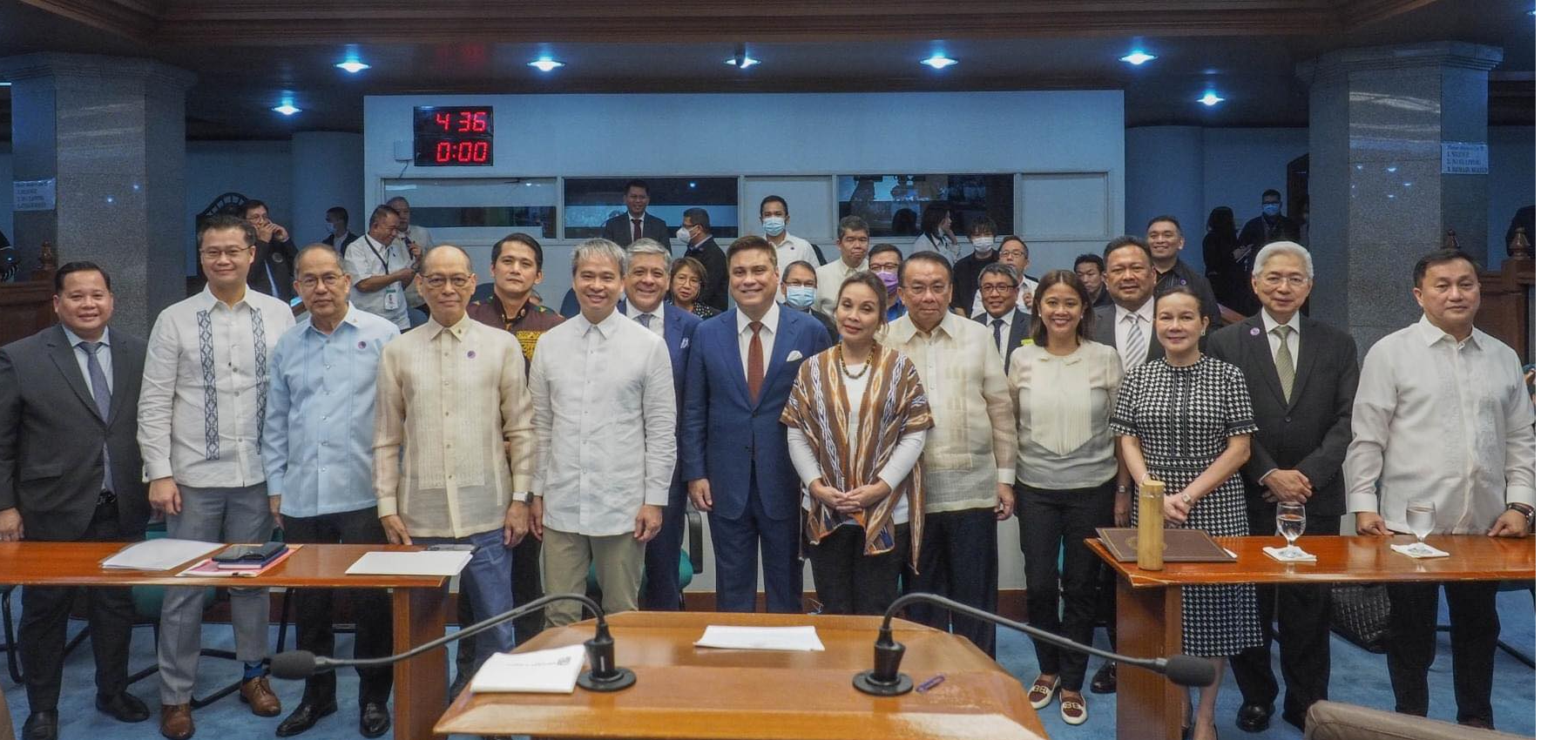 The Senate concurred voting 20-1-1 on the ratification of the Regional Comprehensive Economic Partnership (RCEP), the world’s largest Free Trade Agreement (FTA) by far among Asia-Pacific nations, on 21 February 2023. The RCEP is a Free Trade Agreement (FTA) that aims to establish a modern, comprehensive, high-quality, and mutually beneficial economic partnership framework to liberalize and facilitate trade in goods and services. It will also create a liberal, facilitative, and competitive regional investment. Economists supported this, particularly the National Economic and Development Authority (NEDA) Secretary Arsenio Balisacan, who is optimistic that this FTA will fuel the Philippines’ economic growth.
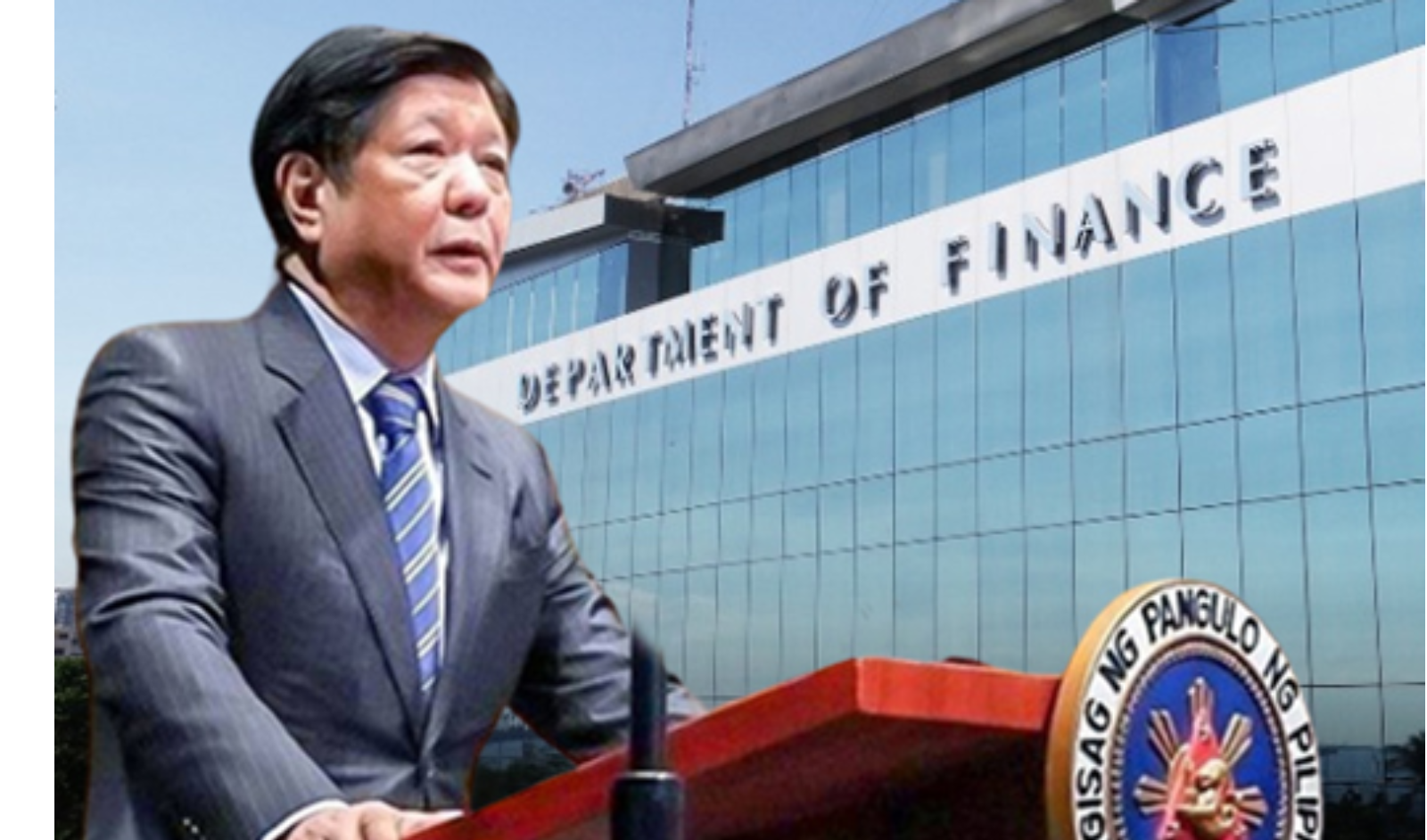 President Ferdinand R. Marcos, Jr. on his administration’s policy in right sizing bureaucracy, and on the recommendation of Sec. Benjamin Diokno ordered the abolishment of the DOF (Inter-Agency Tax Credit and Duty Drawback Center) OSS Center) and transfers the mandate to the Bureau of Internal Revenue (BIR) and Bureau of Customs (BOC), to assure the orderly and expeditious processing of tax credits and duty drawbacks under various laws.
 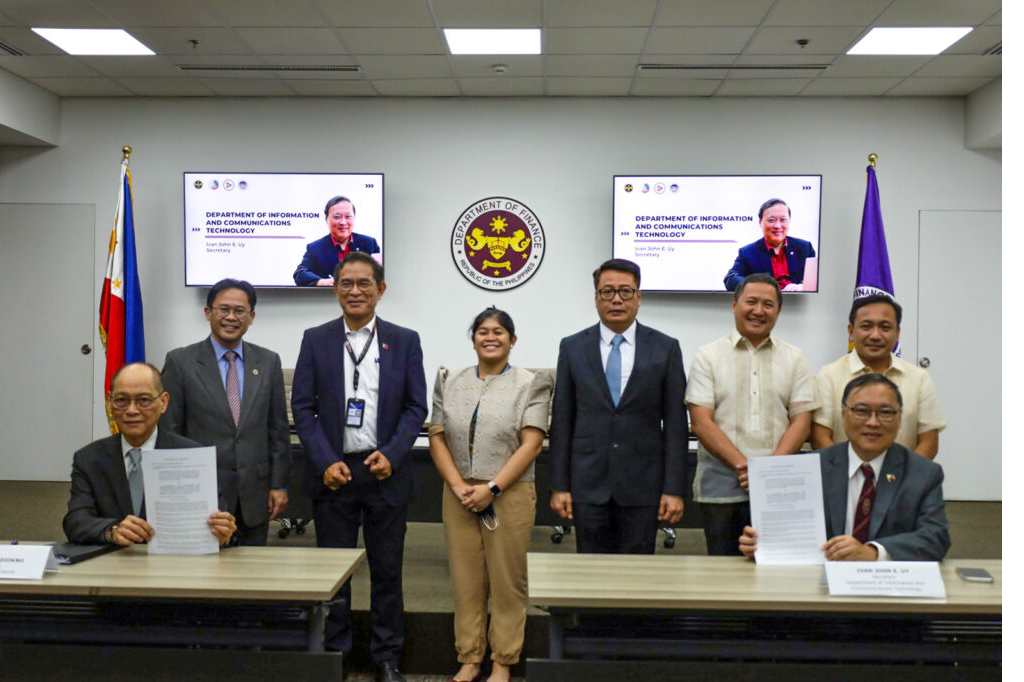 The Department of Finance (DOF) and the Department of Information and Communications Technology (DICT) signed the Memorandum of Agreement (MOA) on the full implementation of the TradeNet system. This is a significant way forward in onboarding all 73 Trade Regulatory Government Agencies (TRGAs).
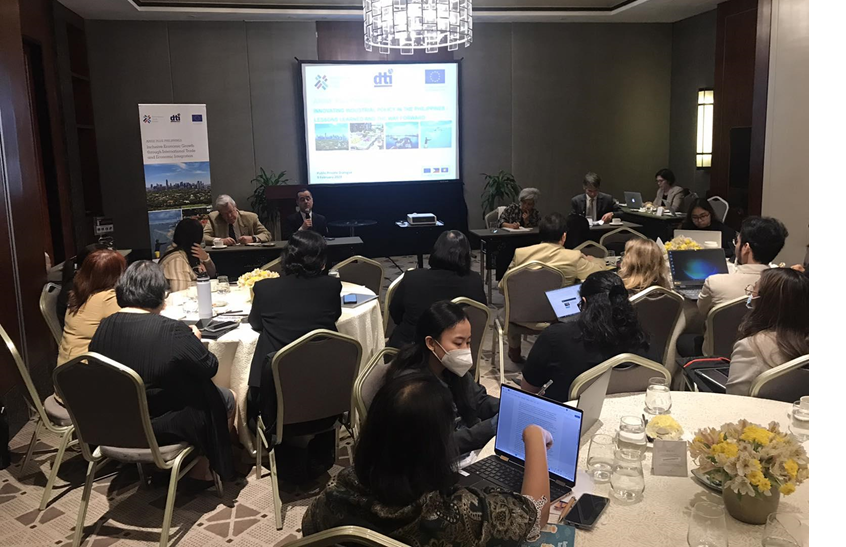 The International Trade Centre (ITC), in collaborative partnership with the DTI Board of Investments (BOI) and ARISE Plus Philippines, jointly synergized a Public-Private Dialogue (PPD) on ‘Innovating Industrial Policy in the Philippines. The initiative aims to explore and strengthen industrial policies as follows: